How to Prepare Your Child Care Arrangement for Winter in Missouri
Snow, ice, and freezing temperatures can affect a child’s school and child care schedule. Your provider may close, change hours, or adjust transportation when winter weather makes travel unsafe.
Even a one-day change can affect the rest of the day. As a parent, you still need to get to work while your child care arrangements are disrupted.
The best time to start is several weeks before school lets out. Providers often announce holiday closures or modified hours ahead of time, and break programs may have limited spaces or enrollment deadlines.
1. Understand Your Provider’s Winter Weather Policy
Every child care program has its own procedures for dealing with severe weather. Before winter weather becomes a regular concern, ask your provider how they decide when to close, delay opening, or send children home early.
Find out how the program will notify families about a closure. It could be through a phone call, text message, email, an app, or another communication system. Make sure you know where to look for updates, especially if weather conditions change overnight.
Also ask what happens if your child is already at the program when conditions worsen. Find out how quickly you would be expected to pick up your child.
Make sure your authorized pickup list is current, and talk with those people ahead of time so they know they may be called on a winter weather day.
2. Plan for Unexpected Child Care Closures
A child care closure does not automatically mean you can stay home from work. If your provider closes because of snow or ice, you still need to decide who will care for your child while you work.
Look at your work schedule and think about how you would handle a full-day closure, a delayed opening, or an early pickup. If you have an employer who offers flexible hours, remote work, or other arrangements, know what options are available before you need them.
It’s good to talk with the people you rely on for occasional help. A relative or trusted caregiver who can help for a few hours may give you enough coverage to get through a delayed opening or early closure.
3. Prepare for Winter Drop-Off and Pickup
Winter can make a familiar trip to child care less predictable. Snow and ice can slow traffic, affect school transportation, and make parking or walking into a child care program more difficult.
Give yourself additional time when road conditions are poor. If your provider has specific procedures for winter drop-off and pickup, follow them and ask questions before the first major storm.
If your child uses transportation provided by the school or child care program, ask how weather-related delays or cancellations are handled. A transportation change can affect when your child goes to the program and when you need to pick them up.
4. Get Your Child Ready for Cold Weather
Your child may spend time outside during the winter, so check what your child care program expects families to provide for cold-weather activities.
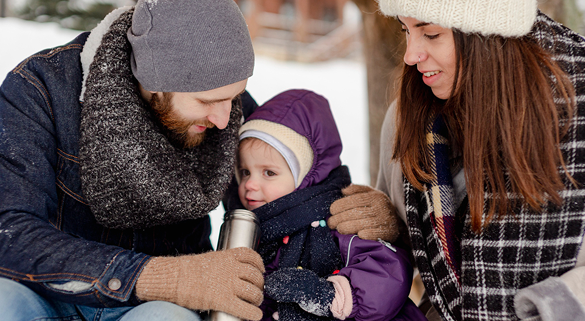
Winter supplies can include a warm coat, hat, gloves, boots, extra socks, and a change of clothes. Younger children may also need additional clothing because wet or muddy outdoor gear can quickly become uncomfortable.
Label your child’s belongings so staff can easily identify them. If your provider allows you to keep extra clothing at the program, leave a spare set there and replace items as your child grows or the weather changes.
5. Know Your Provider’s Emergency Procedures
Winter preparedness goes beyond deciding whether the program will close. Child care programs also need plans for situations such as winter storms, power outages, unsafe conditions, and other emergencies.
Ask your provider how families will be contacted during an emergency and make sure your contact information is current. If another adult is authorized to pick up your child, check that their information is up to date as well.
To learn more about preparing for emergencies, parents can use Child Care Aware of Missouri’s Emergency Preparedness resources. The page includes winter-specific information on winter storm safety, carbon monoxide risks, respiratory illnesses, and emergency supplies, along with resources for helping children cope during and after emergencies.
6. Review The Child Care Plan When Winter Illnesses Increase
Winter can also affect your child care arrangement when your child becomes sick. Before the season begins, review your provider’s illness policy so you know when your child needs to stay home and what the program requires before your child returns.
Ask what happens if your child develops symptoms while at child care. Know who will contact you, how quickly you need to arrange pickup, and who else can pick up your child if you cannot leave work immediately.
7. Have a Backup Child Care Option
Line up at least one backup care option before the first winter storm. Ask a relative, friend, or neighbor whether they could watch your child on short notice, and check whether another licensed provider or program near you might have space on a closure day.
Keep at least one alternative child care option in mind before you need it. Depending on your circumstances, that could be another licensed provider, a family member, or a trusted caregiver.
If you are looking for another licensed child care option, Child Care Aware of Missouri’s referral service can help you search for available care. Give your backup caregiver what they would need on short notice, such as your contact information, your child’s allergies or medical needs, and who is authorized to pick up your child.
Conclusion
You cannot control when snow or ice affects your child’s schedule, but you can know what your child care provider will do when it happens.
Start with one call this week: ask your provider how they decide to close, how they will notify you, and what happens if conditions worsen during the day so that you don’t have to find alternatives on the morning of a closure.
FAQ:
How can Missouri parents prepare for winter child care disruptions?
Parents can prepare by reviewing their provider’s winter weather policy, monitoring closure announcements, arranging backup care, and confirming emergency contact and pickup information before winter storms arrive.
What should parents ask their child care provider about winter weather closures?
Ask how the provider decides to close or delay opening, how families receive updates, and what happens if severe weather develops while children are at the program. Also confirm early pickup procedures.
What winter clothing should children bring to child care in Missouri?
Children may need a warm coat, hat, gloves, winter boots, extra socks, and a change of clothes. Check with your provider about clothing requirements for outdoor activities and label your child’s belongings.
What should parents do if their child care provider closes because of snow or ice?
Parents should use their backup care plan, contact a trusted caregiver, or check availability at another licensed child care program. Discuss flexible work arrangements with your employer ahead of time whenever possible.
Where can Missouri families find backup child care options?
Families can contact Child Care Aware of Missouri for child care referral assistance. Parents can explore local providers and ask about availability, operating hours, and enrollment requirements before winter weather disrupts their usual arrangement.